


-
How often should I see the dentist?
There is no single answer that suits everyone, and current UK guidance has moved away from the old idea that everyone needs a check-up exactly every six months. Instead, your dentist sets a recall interval based on your individual risk, which for adults can range from every 3 months to every 24 months. Someone with healthy teeth and gums and a low risk of problems may safely be seen every 12 months or even less often, while anyone with a history of decay or gum disease, or lifestyle factors such as smoking, may be advised to come more frequently so issues are caught early.
-
What happens during a routine dental appointment?
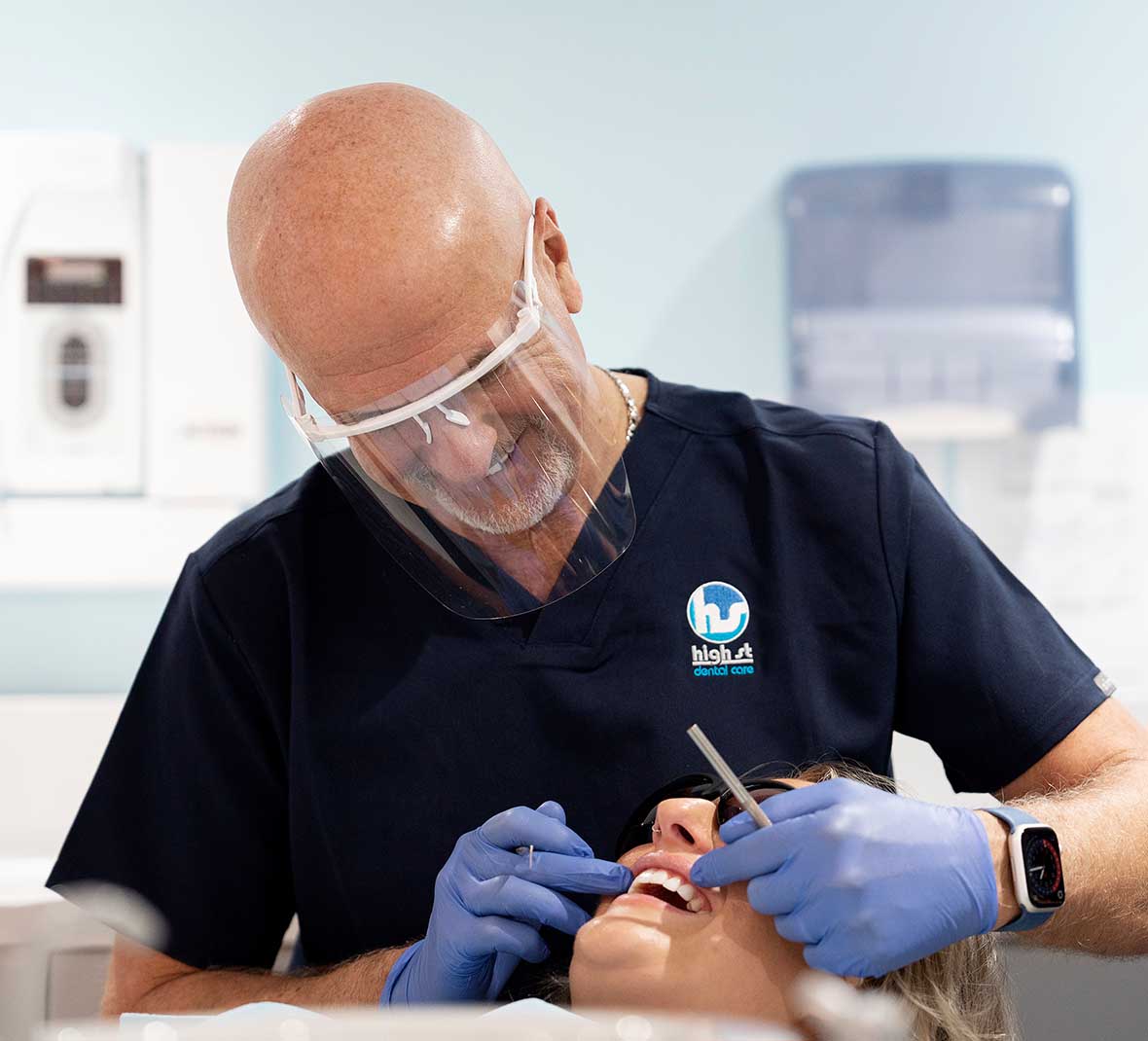
A routine appointment is mainly a thorough check-up carried out by your dentist, who examines your teeth, gums and the soft tissues of your mouth, looking for decay, gum disease and anything else that needs attention, including a quick check for early signs of mouth cancer. X-rays may be taken from time to time to spot problems hidden between teeth or below the gumline that cannot be seen by eye. Many appointments also include a scale and polish, carried out by the dentist or one of our hygienists, to remove plaque and the hardened tartar that brushing alone cannot remove. At the end, your dentist talks through what they have found, answers your questions, and agrees on any treatment or preventive advice with you.
-
What is classed as a routine dental treatment?
Routine dentistry covers the everyday, preventive care that keeps your mouth healthy, rather than complex or cosmetic work. At its core it includes a dental examination and a professional clean, or scale and polish. Depending on what your dentist finds, it can also involve X-rays to check for hidden decay, fluoride application to help strengthen enamel and reduce the risk of cavities, and tailored advice on brushing, cleaning between your teeth and diet. Simple fillings to treat early decay are often considered part of routine care too. The whole point of these appointments is prevention and early detection, since spotting a small problem now is almost always simpler, cheaper and more comfortable than treating a larger one later.
-
How do I know if I have tooth decay?
The honest answer is that in its early stages you often cannot tell, which is exactly why regular check-ups matter. Small areas of decay usually cause no pain at all and are picked up by your dentist during an examination or on an X-ray long before you would notice anything yourself. As decay progresses, warning signs can include sensitivity or a twinge when you eat something sweet, hot or cold, a persistent toothache, visible white, brown or dark spots on a tooth, a small hole you can feel with your tongue, or bad breath and an unpleasant taste that will not shift.
-
Should I book a routine dentistry appointment if I have toothache?
Toothache is a sign to be seen promptly rather than to wait for your next routine visit. Pain usually means something needs attention, whether that is decay, an infection, a cracked tooth or a gum problem, and these tend not to settle on their own. Rather than booking a standard check-up in a few weeks, get in touch and let us know you are in pain so we can arrange to see you sooner. If it is severe or you have facial swelling, tell us straight away. In the meantime, over-the-counter pain relief taken as directed can help keep you comfortable.
-
Will you check for gum disease during a routine dental appointment?
Yes, our dentist will check for gum disease during a routine dental appointment. This examination is a standard part of your regular check-up. Your gums will be inspected for signs of inflammation, redness, or swelling, as well as signs of bleeding, receding gums, or loose teeth – all potential indicators of gum problems. It’s important to get your gums seen by a dentist if you’re worried there’s a problem as early detection can prevent far greater problems down the line.
Routine
Dentistry
Book Online

Don’t let your smile
fade away
Regular check-ups are not just about maintaining a bright smile. They’re your first line of defence against tooth decay, gum disease, and tooth loss. Did you know that many oral health conditions can be prevented with timely intervention?
During these appointments, your dentist can spot early problems, as well as provide professional cleaning, to remove plaque and tartar that your toothbrush can’t reach. Routine visits are often more affordable and less time-consuming than treating advanced dental problems.
- Prevents tooth decay
- Prevents gum disease
- Identifies oral health problems
- Freshens bad breath
- Identifies treatment needs
- Keeps your teeth and gums healthy

Patient journey
1. Your consultation
Our skilled dentist will thoroughly examine your teeth, gums, and oral tissues, as well as discuss any oral discomfort you’ve been experiencing.

Patient journey
2. Your treatment
The dentist will perform a professional cleaning, removing stubborn plaque and tartar that regular brushing can’t tackle. X-rays may be taken to detect hidden issues.

Patient journey
3. Aftercare
You may be advised to avoid hot foods and drinks for the first few hours after your appointment, and to gently rinse with warm salt water to soothe any discomfort.
Routine Dentistry FAQs

“Fantastic service!”
“Amy is a fantastic hygienist, my teeth feel so clean after my appointments with her. I’m not anxious but I imagine that her warm and friendly nature would put even the most anxious at ease. All the staff are very kind and helpful. I have been seeing Mr Archer for a number of years now (and would never change even when I moved away I would travel back to Melton for the dentist). Fantastic service. I find the monthly plan works really well for me.”
– Amy