


-
How do veneers work?
Veneers are thin, custom-made shells, usually porcelain, that cover the front surface of a tooth to improve its colour, shape or alignment. To fit porcelain veneers, your dentist removes a very thin layer of enamel from the front of the tooth so the shell sits flush and looks natural rather than bulky. An impression or digital scan is then taken and sent to a laboratory, where each veneer is crafted to match the shade and shape of your surrounding teeth, before being bonded firmly in place at a later visit.
-
Do veneers require special care?
Not really, and that is part of their appeal. You look after veneers much as you would your natural teeth, with twice-daily brushing, cleaning between the teeth, and regular check-ups and hygiene visits. Porcelain is highly stain-resistant, so it holds its colour well against tea, coffee and red wine, though the natural teeth around the veneers can still stain, which is worth bearing in mind.
-
How long does it take to have a veneer fitted?
The veneer fitting procedure takes place over 2 to 3 visits, over the course of a few weeks. At the first appointment, the dentist will remove a thin layer of enamel and take impressions. These moulds are then sent to a lab where your custom veneers are crafted. This process usually takes 1-2 weeks. In the meantime, you might wear temporary veneers. At your final visit, the dentist will carefully bond the permanent veneers to your teeth. The bonding process can take up to 2 hours.
-
How long do veneers last?
With good care, porcelain veneers commonly last around 10 to 15 years, and a well-made set in a hard-wearing material can last 20 years or more before needing replacement. How long yours last depends on the material, your bite and how you look after them. Everyday habits make the biggest difference, so grinding your teeth, chewing ice or hard objects, and skipping check-ups all shorten their life, while good cleaning and regular visits extend it. It is worth knowing that veneers are not indestructible and cannot be patched the way chipped composite can, so a damaged porcelain veneer usually needs remaking. If you are considering composite veneers instead, they are more affordable and reversible but have a shorter lifespan, generally around five to seven years.
-
How do I know if I need a veneer?
Veneers are a cosmetic choice rather than a health necessity, so it is less about needing them and more about whether they are the right way to reach the smile you want. They work well for teeth that are chipped, worn, badly discoloured in a way that whitening cannot fix, slightly gappy, or a little crooked or misshapen. What veneers do not do is replace a missing tooth or fix an unhealthy one, since they only cover the front of an existing, sound tooth. If a tooth is missing, you would be looking at an implant, bridge or denture, and if it is heavily broken or root-treated, a crown is usually more appropriate.
-
Will anyone be able to tell that I have a dental veneer?
In almost all cases, no. Well-made veneers are designed to blend in completely, matched to the colour, shape, size and translucency of the teeth around them so they catch the light like natural enamel. The shade and shape are planned with you beforehand, and for front teeth in particular your dentist can fine-tune the details so the result looks like your own teeth at their best rather than obviously done. Most people find that once their veneers are fitted, they simply look like a healthy, even smile, and no one is any the wiser.
Veneers
Book Online
Efficient solution for chipped, cracked or stained teeth
Are you tired of hiding your smile because your teeth are chipped or cracked? Veneers are thin, custom-made shells of tooth-coloured materials that are designed to cover the front surface of teeth and dramatically improve their appearance.
For tooth loss patients, or patients with damaged teeth, veneers offer an opportunity to regain a complete, dazzling smile. They can effectively smooth over chips and cracks, as well as make heavily stained teeth white again. If you’re looking to boost your confidence when it comes to smiling freely, veneers can help you rediscover the joy of never having to hide your teeth again.
- Designed to match your existing teeth
- Stain-resistant and stain-covering
- Durable and hard-wearing
- Minimal tooth preparation required
- Correct discoloured, worn, chipped, or misaligned teeth
- Natural-looking and confidence boosting
Patient journey
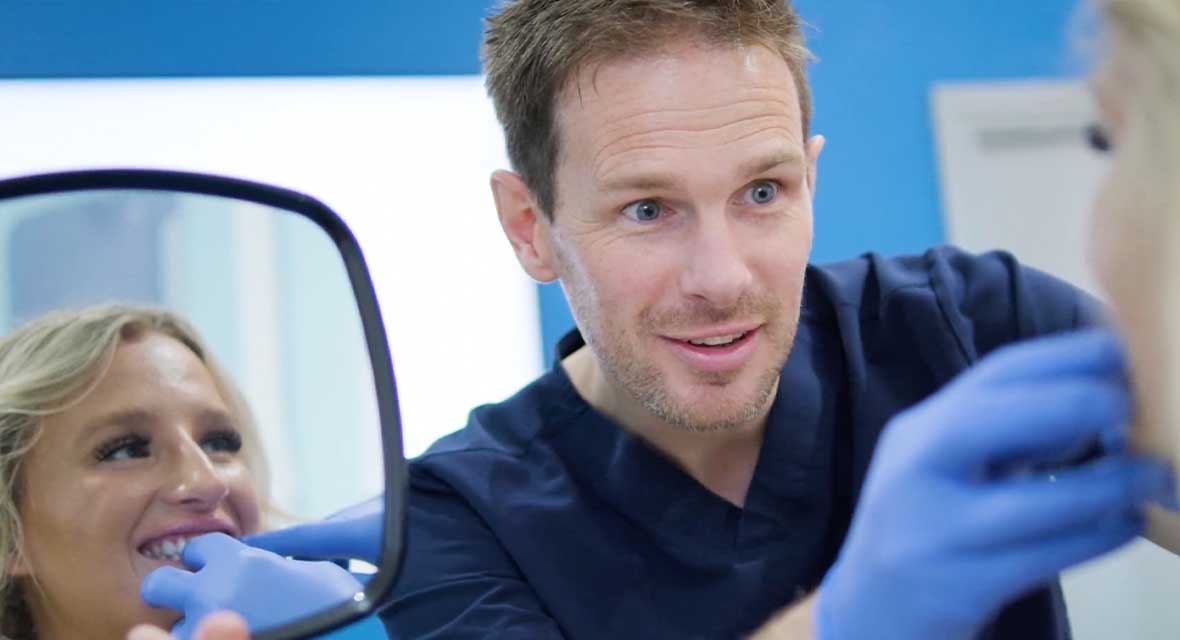
1. Your consultation
Our expert dentist will carefully assess your oral health, discuss your aesthetic goals, and determine if veneers are the best solution for you. They’ll also explain the procedure, address any concerns you have, and provide you with a personalised treatment plan.
Patient journey
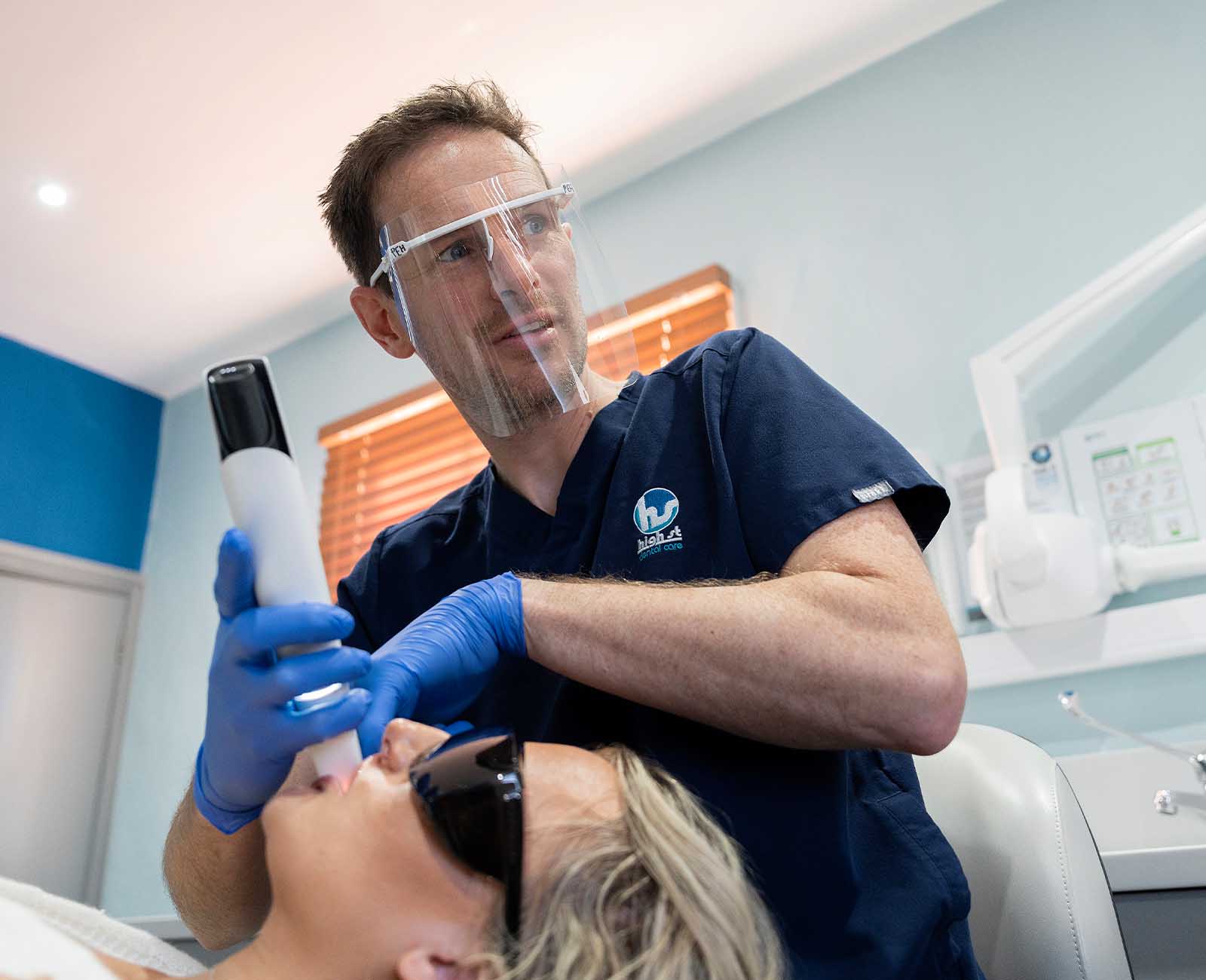
2. Your treatment
The dentist will prepare your teeth by removing a thin layer of enamel. Custom-made porcelain veneers will then be bonded to your teeth, giving you a seamless smile.
Patient journey
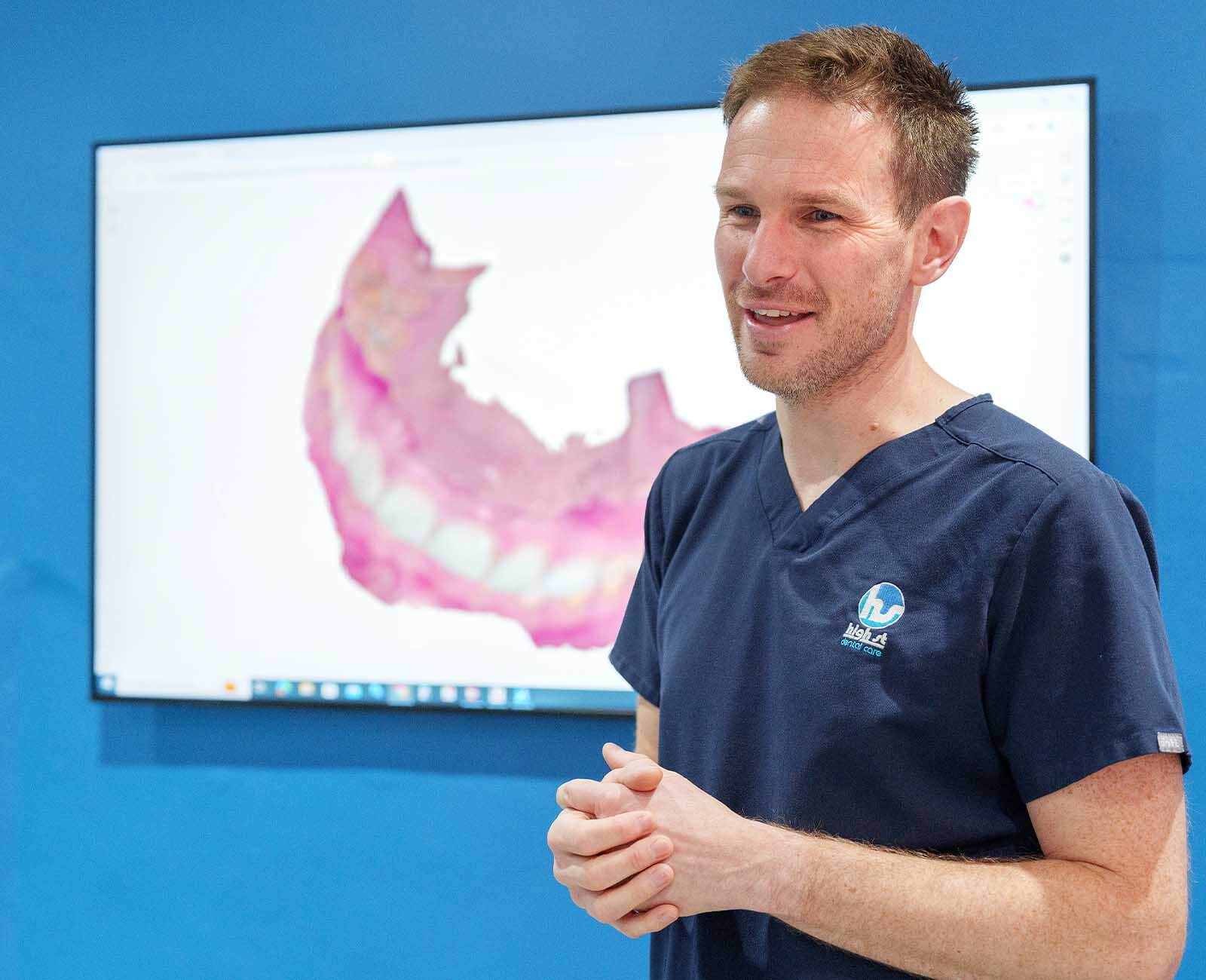
3. Aftercare
For the first 48 hours after having veneers fitted, avoid staining foods and drinks like coffee, red wine, and berries. Stick to soft foods to prevent unnecessary pressure on your veneers.
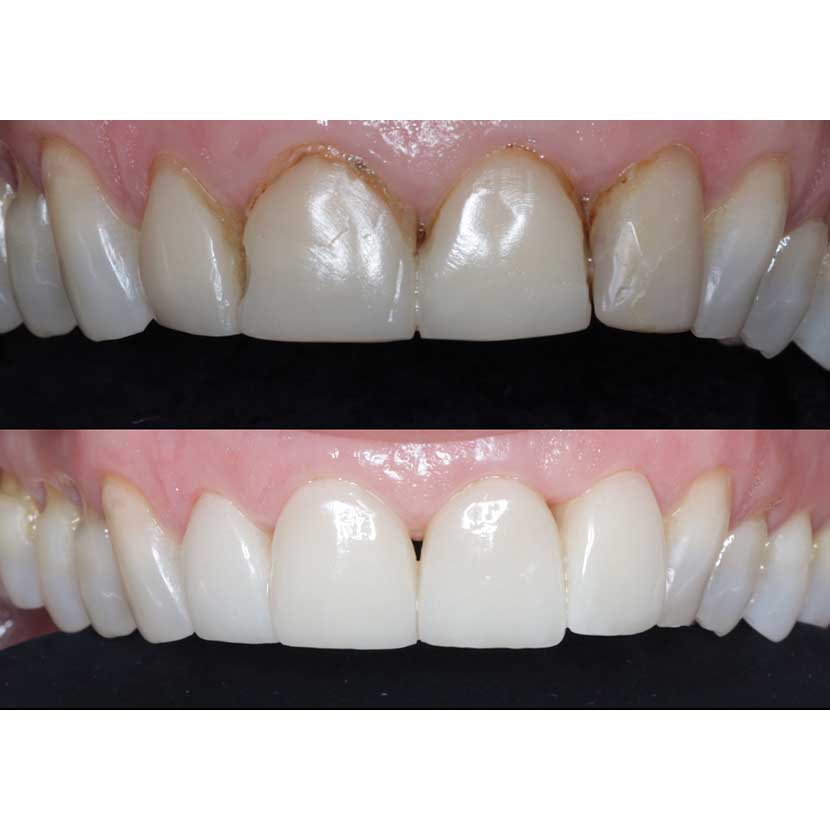
Real results
Veneers FAQs

“Tremendous!”
“Thank you so much for creating the perfect treatment, resulting in my perfect smile. I will forever be grateful and never forget you both and the tremendous second to non warm, kind yet professional relationship I had with you.”
– Megan