
A Guide to Teeth Straightening Options
Contents
Get in touch with our expert team today. 01664 562 092.
Achieving a straighter, more confident smile is something many adults and teenagers aspire to. Crooked teeth, overcrowding, gaps or bite concerns can affect everything from oral hygiene to self-esteem. Fortunately, modern dentistry offers a variety of teeth-straightening options that are more discreet, comfortable, and efficient than ever before.
For individuals looking for treatment at a dental practice in West Sussex, Invisalign® has become a popular choice, particularly for those who want effective teeth straightening delivered through nearly invisible braces. But how do you know whether Invisalign is right for you? And how does it compare with other orthodontic solutions?
This comprehensive guide explores everything you need to know, from how Invisalign works to alternative treatments and the benefits of visiting a dentist experienced in teeth straightening in West Sussex.
Why Teeth Straightening Matters
While many people focus on the aesthetic benefits of straighter teeth, orthodontic treatment can contribute to several functional improvements as well. Straighter teeth may:
- Make brushing and flossing more effective
- Help reduce the likelihood of plaque accumulation
- Improve bite alignment
- Support clearer speech in some cases
- Enhance long-term oral comfort
Whether you’re exploring Invisalign in West Sussex or traditional orthodontics, the right treatment plan aims to improve both function and appearance.
Understanding Invisalign: What Makes It So Popular?
What Is Invisalign?
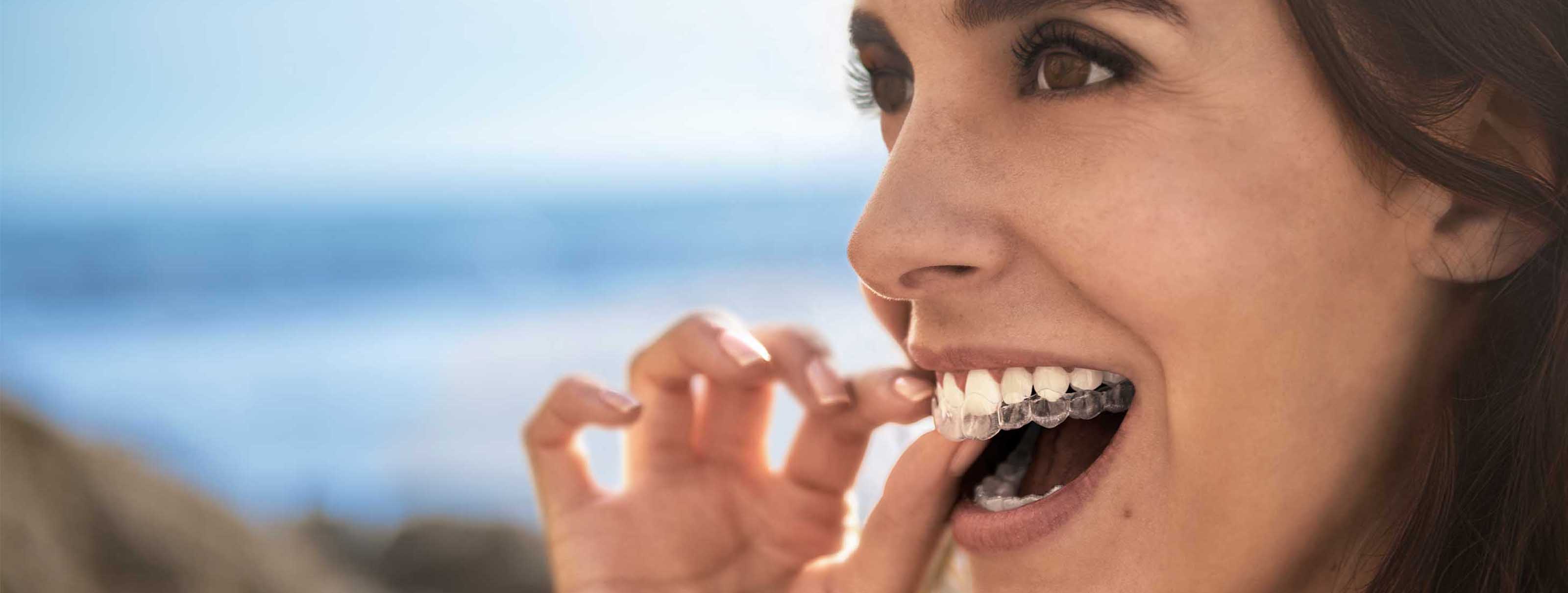
Invisalign is a modern orthodontic system that uses a series of custom-made clear aligners rather than metal brackets or wires. These aligners gently guide teeth into their ideal position over time.
Each aligner is made from a smooth, BPA-free plastic designed to feel comfortable while remaining discreet.
How Does Invisalign Work?
The process typically includes:
- Assessment and consultation
A dentist evaluates your teeth, bite, and suitability for clear aligners. - Digital 3D scanning
Advanced scanning technology maps the exact position of your teeth. - Custom treatment planning
A virtual simulation outlines how your teeth may move with each stage. - Wearing the aligners
You wear each set of aligners for 1–2 weeks, for 20–22 hours a day. - Monitoring and adjustments
Regular progress reviews ensure your teeth are moving as planned. - Completion and retainers
Retainers help maintain your results once treatment ends.
Key Benefits of Invisalign
- Almost invisible – ideal for adults and teens wanting subtle treatment
- Removable – take aligners out for eating, drinking, brushing and flossing
- Comfort-focused design – no metal wires or brackets
- Customised precision – planned using digital technology
- Suitable for everyday life – minimal disruption to speech or routine
If you’re comparing options for teeth straightening in West Sussex, these advantages may make Invisalign an appealing choice, especially for those preferring a discreet orthodontic approach.
Who Is Invisalign Suitable For?
Invisalign may help address a variety of mild to moderate orthodontic concerns, including:
- Gaps between teeth
- Crowding
- Crossbite
- Overbite
- Underbite
- Open bite
While Invisalign can manage many cases, a dentist will first examine whether it is the most appropriate solution for your needs. In some situations, fixed braces or other orthodontic treatments may be more suitable.
How Invisalign Compares With Traditional Braces
Choosing between Invisalign and conventional braces depends on personal preference, lifestyle, and the type of tooth movement required. Here’s how they differ:
Appearance
- Invisalign: Nearly invisible
- Metal braces: More visible, though modern designs are slimmer than in the past
Comfort
- Invisalign: No wires or brackets
- Braces: May cause mild irritation initially
Oral Hygiene
- Invisalign: Removable, allowing normal brushing and flossing
- Braces: Cleaning requires additional tools and techniques
Eating and Drinking
- Invisalign: Remove aligners to eat
- Braces: Food restrictions to protect brackets
Treatment Suitability
- Invisalign: Best for mild to moderate cases
- Braces: Suitable for complex orthodontic corrections
Many adults searching for Invisalign in West Sussex choose it because of its discreet nature. However, both systems have strengths, and a professional assessment can help determine the ideal approach.
The Invisalign Journey: What to Expect at a Dental Practice in West Sussex
If you’re considering Invisalign through a dental practice in West Sussex, here’s what your treatment process may look like:
1. Initial Consultation
During your consultation, a dentist will:
- Review your dental history
- Assess your teeth and bite
- Discuss your smile goals
- Determine whether Invisalign may be appropriate
This stage helps ensure that clear aligners are the right fit for your teeth straightening needs.
2. Digital Treatment Planning
Many practices use 3D scanning technology to capture accurate images of your teeth. This approach avoids traditional moulds and offers a more comfortable experience.
A customised treatment plan is then developed, displaying your predicted tooth movement step-by-step.
3. Aligner Manufacturing
Your aligners are precision-made based on your digital scans. Each pair applies gentle pressure to move teeth incrementally.
4. Regular Check-Ins
Over the course of your treatment, you’ll have periodic reviews to:
- Ensure progress is on track
- Receive your next set of aligners
- Make any necessary adjustments to your plan
5. Finishing Touches
Toward the end of treatment, small refinements may be made to fine-tune your results.
6. Long-Term Retention
Wearing retainers after treatment can help maintain your new smile.
Why Many Patients Consider Invisalign in West Sussex
Choosing where to have orthodontic treatment matters just as much as selecting the right system. People researching Invisalign in West Sussex often look for:
- Experience with clear aligner treatment
- A patient-focused environment
- Clear communication about what to expect
- Modern digital technology
- Flexible appointment times
A dental practice in West Sussex that provides comprehensive orthodontic assessments can help guide you through every stage of your teeth-straightening journey with clarity and confidence.
Can Invisalign Improve Oral Health Appearance?
While Invisalign is typically chosen for its aesthetic and comfort benefits, straighter teeth may also support easier cleaning and long-term oral health maintenance. When teeth fit together correctly, brushing and flossing become more effective, which may help reduce the risk of plaque accumulation.
In addition, properly aligned teeth may contribute to a more balanced bite, potentially reducing uneven wear on certain teeth.
It’s important to note that Invisalign is not a clinical treatment intended to prevent or cure disease, but it can play a role in supporting an overall healthier smile through improved alignment.
Alternatives to Invisalign: What Other Teeth Straightening Options Exist?
If Invisalign isn’t suitable, there are several alternative treatments to consider at a dental practice in West Sussex:
1. Traditional Metal Braces
Used for moderate to severe orthodontic cases, these braces use brackets and wires to move teeth into position. They may be recommended for cases requiring complex alignment.
2. Ceramic Braces
A more discreet option than metal braces, ceramic braces use tooth-coloured brackets.
3. Lingual Braces
These braces attach to the back of the teeth, remaining hidden from view, though they may require longer adjustment periods.
4. Short-Term Cosmetic Braces
Designed mainly for aesthetic alignment of the front teeth, these systems focus on improving visible areas rather than addressing more extensive orthodontic concerns.
A consultation with a dentist can help determine which solution aligns best with your goals.
How Long Does Invisalign Treatment Take?
Treatment times vary widely based on individual needs. Some cases may be completed within 6–12 months, while others may require longer.
Factors that influence treatment duration include:
- The complexity of tooth movements
- Age
- Consistent wearing of aligners
- Dental health before treatment
Clear communication with your dental practice helps ensure you understand your estimated timeline from the outset.
Tips for Getting the Most Out of Invisalign
To make your Invisalign journey as smooth as possible, consider the following:
- Wear aligners for 20–22 hours per day
- Clean aligners daily with recommended products
- Brush your teeth after meals to prevent staining
- Attend all scheduled check-ups
- Store aligners safely when removed
Following your plan closely helps support consistent results.
FAQs
1. Is Invisalign painful?
Invisalign aligners are designed for comfort. You may experience mild pressure during transitions to new aligners, which generally fades after a few days.
2. Can Invisalign treat complex orthodontic issues?
Invisalign may correct many mild to moderate cases. A dentist will evaluate whether it is appropriate for more complex movements.
3. How often do I need to visit the dental practice during treatment?
Appointments are usually scheduled every 6–8 weeks, though this varies depending on your plan.
4. Are Invisalign aligners noticeable?
Aligners are made from clear plastic, designed to be discreet and difficult to see at a glance.
5. Do I have to change my diet during Invisalign treatment?
No. Since aligners are removed while eating, there are no food restrictions.
6. How do I clean my aligners?
Use lukewarm water and a suitable cleaning product recommended by your dental practice.
7. What happens if I lose an aligner?
Contact your dental practice promptly for advice; replacement aligners may be required.
8. Will Invisalign affect my speech?
Some individuals notice slight changes during the initial adjustment period, which generally resolve quickly.
9. Is Invisalign suitable for teenagers?
Yes, Invisalign can be an option for teenagers with fully erupted permanent teeth. Suitability is assessed individually.
10. How do retainers work after treatment?
Retainers help maintain the new position of your teeth and are typically worn at night.
Final Thoughts?
If you’re exploring options for teeth straightening or researching Invisalign in West Sussex, the best next step is a professional consultation. Every smile is unique, and understanding your needs, expectations, and long-term goals helps ensure that you receive a treatment plan tailored to you. Choosing a dental practice in West Sussex that offers Invisalign assessments can give you the expert guidance you need to make a confident decision about your smile.
If you’re ready to explore your teeth straightening options or want to learn whether Invisalign could work for you, consider booking a consultation with a trusted dental practice in West Sussex offering clear aligner treatment. A personalised assessment can help determine the most suitable approach to achieving the straighter, more confident smile you’re aiming for.